
UL 9540A Certified
WEnergy products are certified for the government PDRS BESS 4&5 programs for maximum rebates on energy storage
Commercial solar battery storage
Commercial Solar Battery Storage
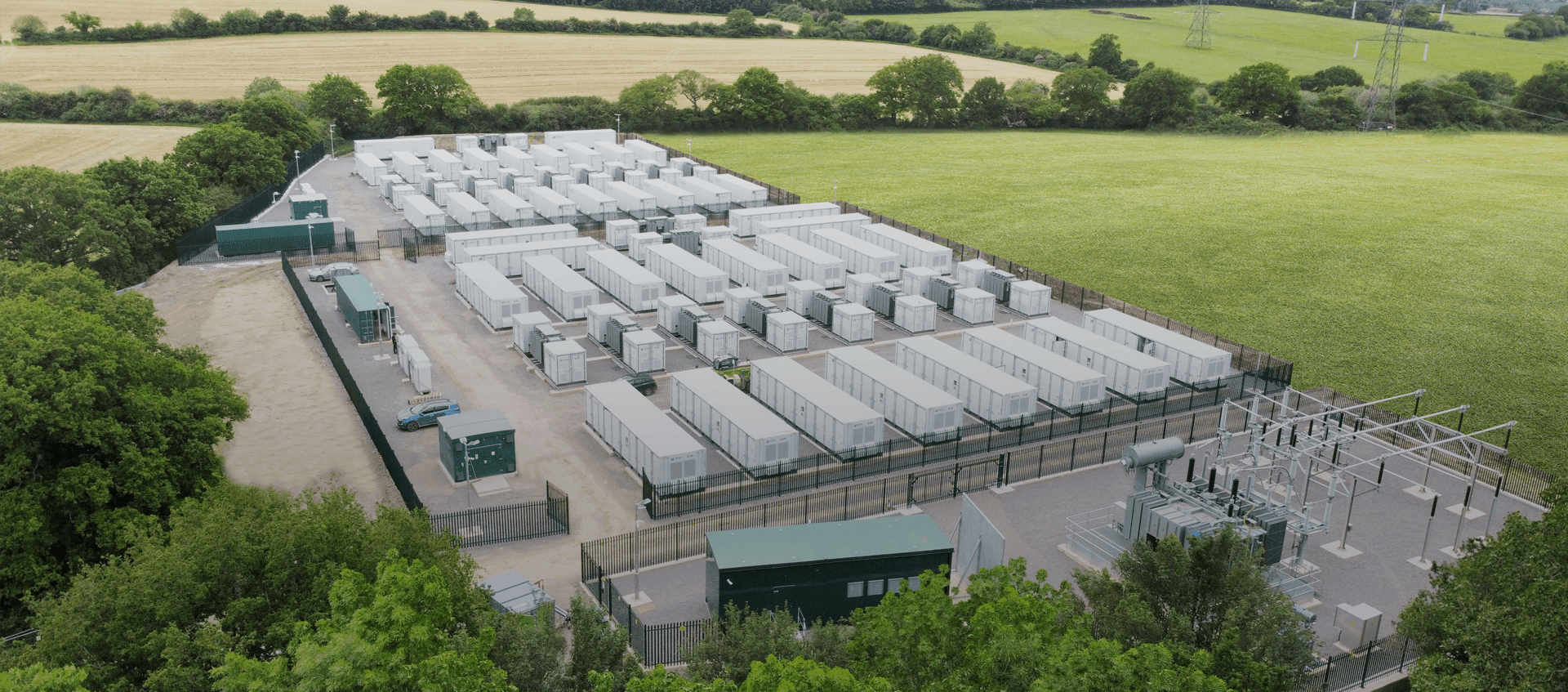
Store your solar and use it when your business needs it
Commercial solar panels produce the most energy in the middle of the day, which is rarely when a business needs it most. A commercial solar battery stores that surplus and releases it when your site needs power, so more of your solar is used on site instead of being exported for a low feed-in rate.
CBS Australia helps businesses choose, size and install commercial solar battery systems from leading brands, including WEnergy, Sungrow, EVO Power, AmpAura and Arvio. We aren't tied to one manufacturer, so every recommendation starts with your site's data, not a product list.
How a commercial solar battery works
During the day, your solar system powers the site first. Any surplus charges the battery instead of flowing back to the grid. When solar output drops, or when the site hits a demand peak, the battery discharges to cover the load.
An energy management system controls when the battery charges and discharges, based on your tariff, your usage pattern and the outcome you want from the system.
Benefits of commercial solar battery storage
Use more of your own solar. Storing midday surplus for use later in the day means you buy less electricity from the grid.
Reduce peak demand charges. Many business tariffs charge for the highest demand recorded in a billing period. A battery can discharge during those peaks and lower the charge.
Keep critical loads running. With the right inverter and switching equipment, a battery can support selected loads during a grid outage. This has to be designed in from the start, because a standard grid-connected system shuts down when the grid fails.
Support EV charging and electrification. Stored solar can help power EV chargers and new electric equipment without an expensive grid connection upgrade.
Meet ESG and sustainability targets. Using more on-site renewable energy reduces grid consumption and the emissions tied to it.
Adding a battery to existing solar vs a new solar and battery system
Most businesses with solar can add a battery. An AC-coupled battery connects alongside your existing solar inverter, so it suits sites that already have solar installed. A DC-coupled or hybrid system shares one inverter with the solar array, which can be more efficient for new installations.
The right choice depends on your current inverter, switchboard capacity, available space and network connection agreement. We assess all of these before recommending a system.
How to size a commercial solar battery
Sizing a commercial battery means getting two numbers right:
- Power (kW): how fast the battery can deliver energy. This decides whether it can cover your demand peaks.
- Energy (kWh): how much the battery can store. This decides how long it can run.
We size systems from at least 12 months of interval data where it's available, together with your solar generation profile and tariff. Annual totals or a single bill don't show when your peaks happen, so they can lead to a system that's too large, too small or poorly matched to your site.
What affects the cost of a commercial solar battery
Commercial battery pricing depends on:
- Battery capacity (kWh) and power rating (kW)
- Cabinet, containerised or modular system design
- Inverter and switchboard works
- Backup power capability
- Network connection requirements
- Site works, access and installation conditions
- Monitoring software and ongoing maintenance
NSW businesses may also qualify for incentives under the Peak Demand Reduction Scheme. From 1 September 2026, the scheme covers batteries above 20 kWh and up to 200 kWh for small and medium businesses (BESS4), and batteries above 200 kWh for commercial and industrial sites (BESS5). The incentive value varies with battery capacity, location, certificate prices and whether new solar is installed at the same time. Our WEnergy systems are certified for these programs.
Commercial solar battery systems we supply
- WEnergy Star Series Cabinet ESS, scalable cabinet storage for commercial and industrial sites
- Sungrow PowerStack 225kWh and PowerStack 455kWh, integrated commercial battery systems
- EVO Power FLEX Series, AC-coupled batteries from 100 kW / 205 kWh, well suited to adding storage to existing solar
- AmpAura MID CESS 29.9kW/60kWh, a compact all-in-one cabinet for smaller commercial sites
- Arvio Titan, compact turnkey storage for C&I applications
See all our commercial battery brands, or read more about commercial battery storage.
Frequently asked questions
Can I add a battery to my existing commercial solar system?
Usually, yes. An AC-coupled battery can connect alongside most existing solar systems. We check your inverter, switchboard, metering and connection agreement first.
How long does a commercial solar battery last?
Most commercial lithium iron phosphate batteries are designed for 10 to 15 years or more, depending on cycling, temperature and operating strategy. When comparing warranties, look at the years covered, the cycle or throughput limits and the guaranteed remaining capacity.
Will a solar battery keep my business running in a blackout?
Only if it's designed for backup operation. We identify your critical loads and design the switching and inverter setup to support them.
Is a commercial solar battery worth it?
It depends on your tariff, demand charges, solar surplus and usage pattern. Sites with high demand charges and a lot of exported solar usually see the strongest returns. We model the business case from your actual data before you commit.
Does my business need solar to install a battery?
No. A battery can also charge from the grid during cheaper periods and discharge during peaks. Pairing it with solar usually improves the return.
Find out whether a commercial solar battery suits your site
Speak to a CBS consultant for an independent assessment of your energy data, tariff and solar generation. Call 1300 19 36 46 or contact us online.